

 Español
 Deutsch
 بالعربية
 日本語
日本語 한국어
한국어 中文
中文News
Crossing the reins of reality: technology and imagination of simulated horses 9
In the long history accompanied by human beings and horses, horses are not only important means of transportation and labor, but also partners, soldiers and even cultural symbols. However, horses in reality are limited by feeding costs, space requirements, safety risks and physical laws. Therefore, the "simulated horse" should be transported
life, it is not the replacement of real steed, but an extension and supplement, using scientific and technological means to reproduce, surpass or create the experience of "horse" in specific scenes.
1. Entity simulation: a "mechanical partner" at your fingertips
mechanical simulation horse: this is the most intuitive physical simulation form. It is usually composed of solid frame, motor-driven sports platform (simulating the walking, trotting, running and other gait of horses), simulated saddle and reins. The advanced version is even equipped with sensors, which can respond according to the rider's movements and changes in the center of gravity to simulate the real sense of interaction.
Application: mainly used for riding training, especially in bad weather or beginner stage, to provide a safe and controllable environment. It is also an effective tool for professional riders to carry out technical refinement training and physical exercise. Physical therapy also uses its controllable exercise mode to help patients with rehabilitation training (such as core strength and sense of balance).
Movie prop horse: the "fake horse" which is well-made is often used in movies and dramas ". They may be static models (used for vision or background), or half-body horses with simple mechanical structures (actors sit on them across, with green curtain and later effects), even highly complex robot horses can make realistic head swings, screams and even breathing movements, providing actors with more real performance fulcrum, while avoiding the risk and uncontrollability of using real horses.
2. Digital virtual: the endless gallop of cyberspace
games and simulators: Video games are the most popular form of simulated horses. From the early pixel horse to the virtual horse with complex physical engine, fine hair system and independent A1 behavior (such as the horse in "Wild Dart: Redemption 2"), players can experience feeding training, the complete process of riding and even emotional connection. Professional riding simulator combines physical platform (similar to mechanical simulation horse) and VR head display to create immersive riding experience for training or entertainment.
Imagination reality (VR) and augmented reality (AR):VR can bring users into a digital racecourse or fantasy world, interact with virtual horses, ride and even participate in competitions. AR may superimpose the image of a virtual horse in the real environment for educational display or interactive entertainment.
Research on Digital twins and biomechanics: Scientists use computer modeling to create "digital twins" of horses and accurately model their musculine systems, motion patterns and physiological reactions. This is very important for studying the mechanism of horse injury, optimizing training methods and designing equipment (such as saddle) that is more in line with horse body engineering.

1. Entity simulation: a "mechanical partner" at your fingertips
mechanical simulation horse: this is the most intuitive physical simulation form. It is usually composed of solid frame, motor-driven sports platform (simulating the walking, trotting, running and other gait of horses), simulated saddle and reins. The advanced version is even equipped with sensors, which can respond according to the rider's movements and changes in the center of gravity to simulate the real sense of interaction.
Application: mainly used for riding training, especially in bad weather or beginner stage, to provide a safe and controllable environment. It is also an effective tool for professional riders to carry out technical refinement training and physical exercise. Physical therapy also uses its controllable exercise mode to help patients with rehabilitation training (such as core strength and sense of balance).
Movie prop horse: the "fake horse" which is well-made is often used in movies and dramas ". They may be static models (used for vision or background), or half-body horses with simple mechanical structures (actors sit on them across, with green curtain and later effects), even highly complex robot horses can make realistic head swings, screams and even breathing movements, providing actors with more real performance fulcrum, while avoiding the risk and uncontrollability of using real horses.
2. Digital virtual: the endless gallop of cyberspace
games and simulators: Video games are the most popular form of simulated horses. From the early pixel horse to the virtual horse with complex physical engine, fine hair system and independent A1 behavior (such as the horse in "Wild Dart: Redemption 2"), players can experience feeding training, the complete process of riding and even emotional connection. Professional riding simulator combines physical platform (similar to mechanical simulation horse) and VR head display to create immersive riding experience for training or entertainment.
Imagination reality (VR) and augmented reality (AR):VR can bring users into a digital racecourse or fantasy world, interact with virtual horses, ride and even participate in competitions. AR may superimpose the image of a virtual horse in the real environment for educational display or interactive entertainment.
Research on Digital twins and biomechanics: Scientists use computer modeling to create "digital twins" of horses and accurately model their musculine systems, motion patterns and physiological reactions. This is very important for studying the mechanism of horse injury, optimizing training methods and designing equipment (such as saddle) that is more in line with horse body engineering.

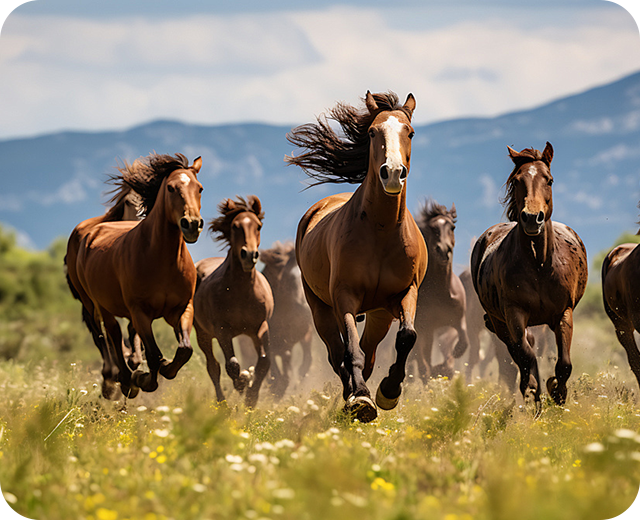

When science and technology can accurately analyze the vibration transmission of horse motion, when the algorithm can solve
When constructing the mechanical code of a hundred-year cycling school, we may be witnessing the historic leap of equestrian movement from experience inheritance to scientific evolution.
Explore simulated horses